The Pool
Lincoln, Nebraska, and Alamogordo · July 1944
Second Air Force ran a classification and routing pool at Lincoln Army Air Field. Nearly every new heavy-bomber officer passed through it: paid, issued, examined, records closed, then shipped to a group or a combat-crew school. The commanding officer even furnished a form letter so a man with no time to write could still tell his family where he was. Austin sent one. He also wrote his own.
Dear Mother & all, Have had a busy day all day. […] I made pretty good connections on the train. Got here right on time (7PM Friday Nite) Got a room at the Lincoln Hotel & went to a show that nite - Reported to the Base Sat morning […] This is a nice town I think. We went out to Capitol Beach last nite. A place something like the fair grounds in Memphis. […] We have 10 days processing & training which we get at this field. After that is up we will have more leisure provided we aren't already shipped out again. No chance to come to Halls. Will either be Neb, Kansas or New Mex. I think. With Love & Best Wishes for all. Austin
Historical note — Lincoln and Second Air ForceLincoln Army Air Field, just north of the Nebraska capital, had been a four-engine school and, by 1944, the Second Air Force Classification and Routing Pool. Second Air Force owned the domestic training of heavy-bomber crews bound for Europe and the Pacific. A few days of processing, then a train to Kansas, Nebraska, or New Mexico. Austin told Cherry not to write if he said to stop — that would mean he was already on the road.
While he walked the big post, the Marianas campaign was under way. Saipan had been invaded on 15 June; the island was declared secure on 9 July. In France the Allies were still boxed in the hedgerows beyond the Normandy beachhead. On 20 July officers in East Prussia tried and failed to kill Hitler. None of that had a paragraph in the Lincoln letters. The mail that caught up with him — sixteen letters in one day — had first gone to Roswell.
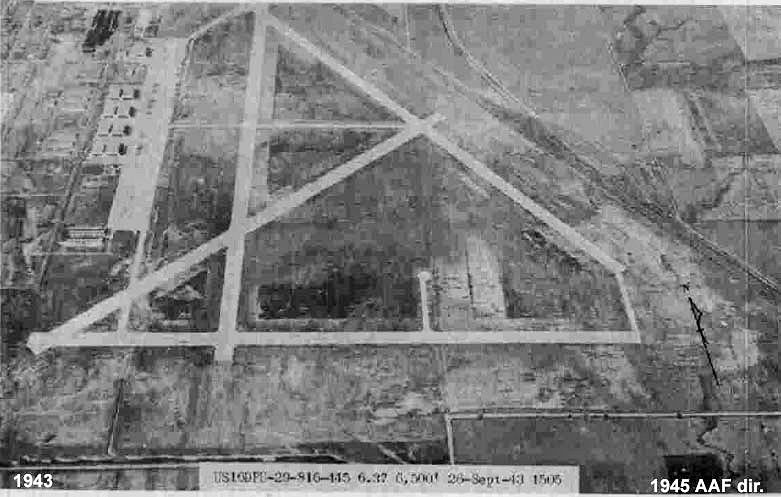
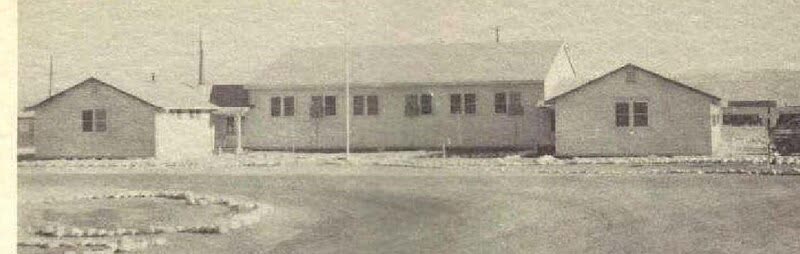
By 26 July he was in another valley: Alamogordo Army Air Field, thirteen miles from a town he compared to Henning, smaller than Ripley. Two theaters on the post. He found a photograph of a B-17 named Winsome Winn and wondered why they had called it that. On the 30th he drew Captain Cook as airplane commander and a class already through first phase — one month at Alamogordo instead of two or three, then still another field. “I’ll never get overseas at this rate.”
Dear folks, […] I got my orders today & am assigned to a class that is already through 1st phase so I won't stay here but 1 month if everything works out O.K. Most all the rest will be here 2 or 3. There were 4 guys that got in this early class. I met my Airplane Commander today. He is Capt. Cook. After flying here 1 month I'll still have more training at some other field. […] There is sure plenty to learn about this big plane. Love, Austin
Historical note — Alamogordo Army Air FieldAlamogordo, on the Tularosa Basin, was a Second Air Force combat-crew school for B-17s (and, later, other heavies). First, second, and third phase were the Army’s names for the steps that turned four officers and five or six enlisted gunners into a crew: local flying and procedures, then navigation and bombing, then long missions that imitated a combat tour. An airplane commander was the pilot in charge of that crew. Captain Cook had the left seat; Austin would learn the rest of the ship around him.
The desert around the field would be famous a year later for another reason. In July 1944 it was still only a place to fly Fortresses, eat costly meals at the officers’ club, and wait on the next set of orders. From Cherry to Miami to Oshkosh to Santa Ana to Dos Palos to Lancaster to Marfa to Roswell to Lincoln to Alamogordo: eighteen months, and the war still ahead of the airplane.